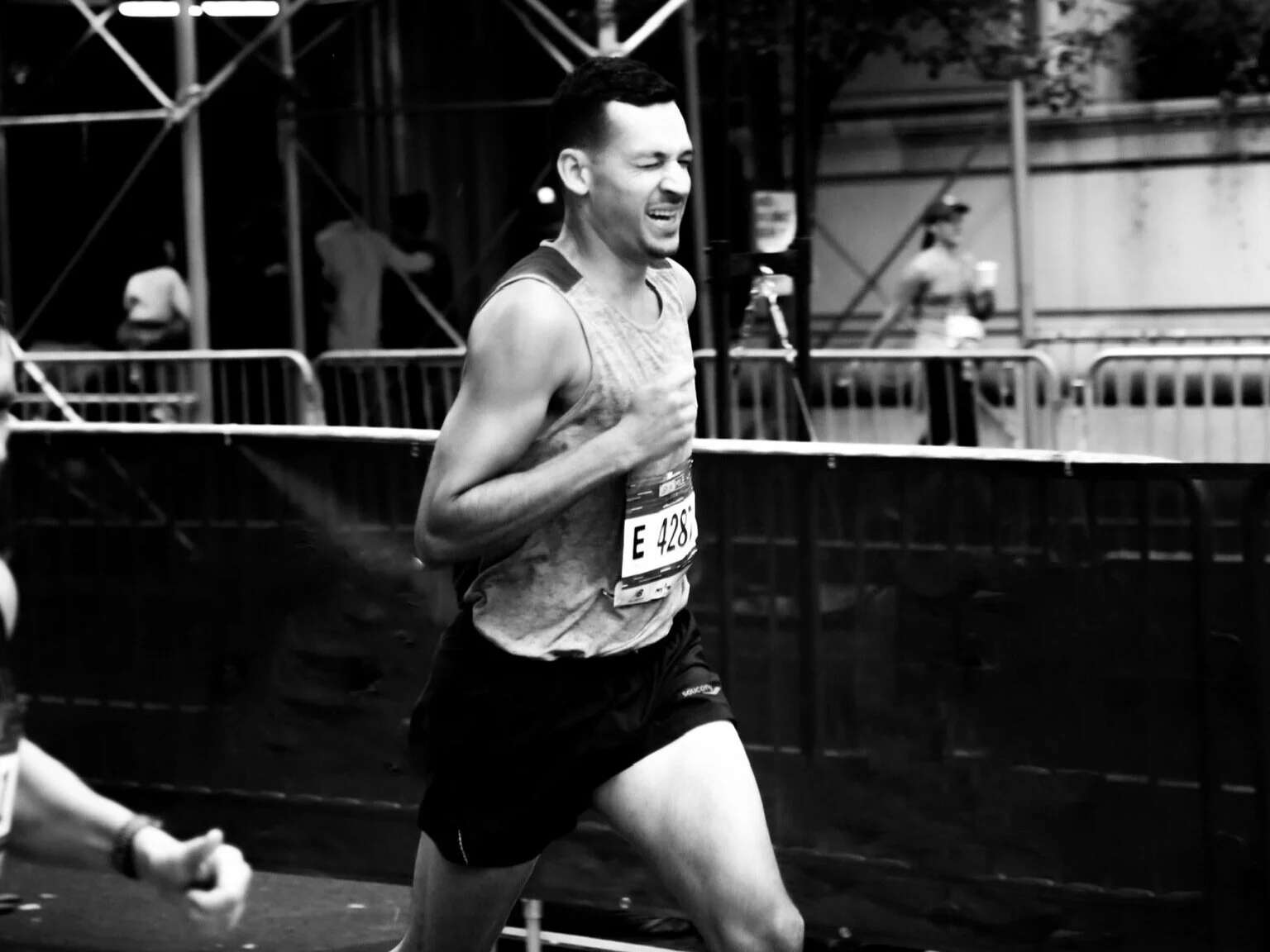
I’ve lost track of the number of conversations I’ve had with runners who feel the need to “warn me” about their age. Many wonder aloud if they can still improve, or if they are destined to get slower and slower.
Read More
Resources for Runners Blog
search topics below:
I’ve lost track of the number of conversations I’ve had with runners who feel the need to “warn me” about their age. Many wonder aloud if they can still improve, or if they are destined to get slower and slower.
Read MoreIt’s a tall order to muster up the motivation for a workout when you don’t even know what the workout is!
When the plan is on paper and there’s no thinking involved it can make a huge difference in our motivation to lace up our running shoes.
Read MorePresenting my Top 3 Training Philosophies! I believe that these foundational training principles are the “secrets” that lead to actual progress. These were my own training philosophies that helped me get to the top as an Olympic athlete, and they have proven truly effective over and over again with all the runners I coach.
Here’s what you need to know to take your running to the next level
Read MoreCrazy work schedules, extra family responsibilities, travel, accidents, illness, you name it. Sometimes life just… happens. And when it does, the training plan goes out the window.
How do you navigate training interruptions without losing fitness?
Read MoreWhat should runners DO on a rest day? Resting is much more than simply not working out and I encourage runners to get extra rest on these days.
The time normally spent running or working out will ideally be spent “doing” rest. Sleep is the best, but some other great options are reading, laying around, watching a tv show, writing, chatting with a friend, more family time, etc.
Read MoreAs a coach, the best thing I can do to help runners reach their goals is to be crystal clear about race day expectations. We can hope for a magical day when the stars align and we feel amazing, Those days do happen (occasionally) but we should not expect it.
We need to expect fatigue and discomfort due to exertion.
We need to prepare mentally for the moment in the race when it gets really hard. Not IF, but WHEN it gets really hard.
Read MoreThe result of our best effort can vary from day to day but we can always discover what we’re capable of on a given day if we commit to 100% effort.
“Just do your best” sounds simple but getting the most out of ourselves takes practice and finesse.
Read MoreAre you training for a marathon running only 3 or 4 days a week?
Real Talk.
That is not enough running days. Even if you’re getting the miles in.
Marathon training should involve 5-6 days of training per week.
Read More“Easy” in general means slow. Even very fast runners know how to run easy and slow, in fact running easy is a huge part of their training. Regardless of ability level there should be a very distinct difference between a runner’s fast/ hard and slow/ easy paces.
Easy means the effort level is LOW from start to finish. Cover the distance without getting tired!
Read MoreGPS watches often interfere with our ability to measure our fatigue level and adjust pace based on effort. There’s a certain pace or heart rate range which we feel is acceptable or normal, and anything slower than that is bad. We force our body to follow those numbers rather than allowing ourselves to go slower when we’re tired.
On the flip side, we can get intimidated by paces that seem “too fast” even if we feel comfortable and in control. We hold ourselves back based on pre-determined pace expectations that don’t accommodate fitness gains.
Read MoreThings we can’t control:
If (and when!) our races are cancelled
When races come back
When gyms will open again…
One of the biggest misunderstandings about running is that walking breaks are bad.
But walking is probably the BEST way to improve both speed and endurance! Think about it- even the top athletes and best runners in the world take walking breaks. Any interval workout involves rests!
Read MoreBack today with another track interval workout, and for this one I recommend taking advantage of the outer lanes.
The Workout:
2 sets of 4x 200m
Rest: 1 minute between intervals
Rest: 1 lap walk or jog between sets…
I want to end this mini-series on track running with some of my favourite recommended workouts, but first I need to explain some track jargon. The following terms will help anyone who wants to communicate regarding track interval workouts, time trials or races.
Read MoreToday I want to talk about track safety. And by safety, I mean injury prevention.
A track may seem like a really safe place to run because there’s no traffic from vehicles and cyclists, and the footing is perfect, but a track can be dangerous for another reason: TURNS.
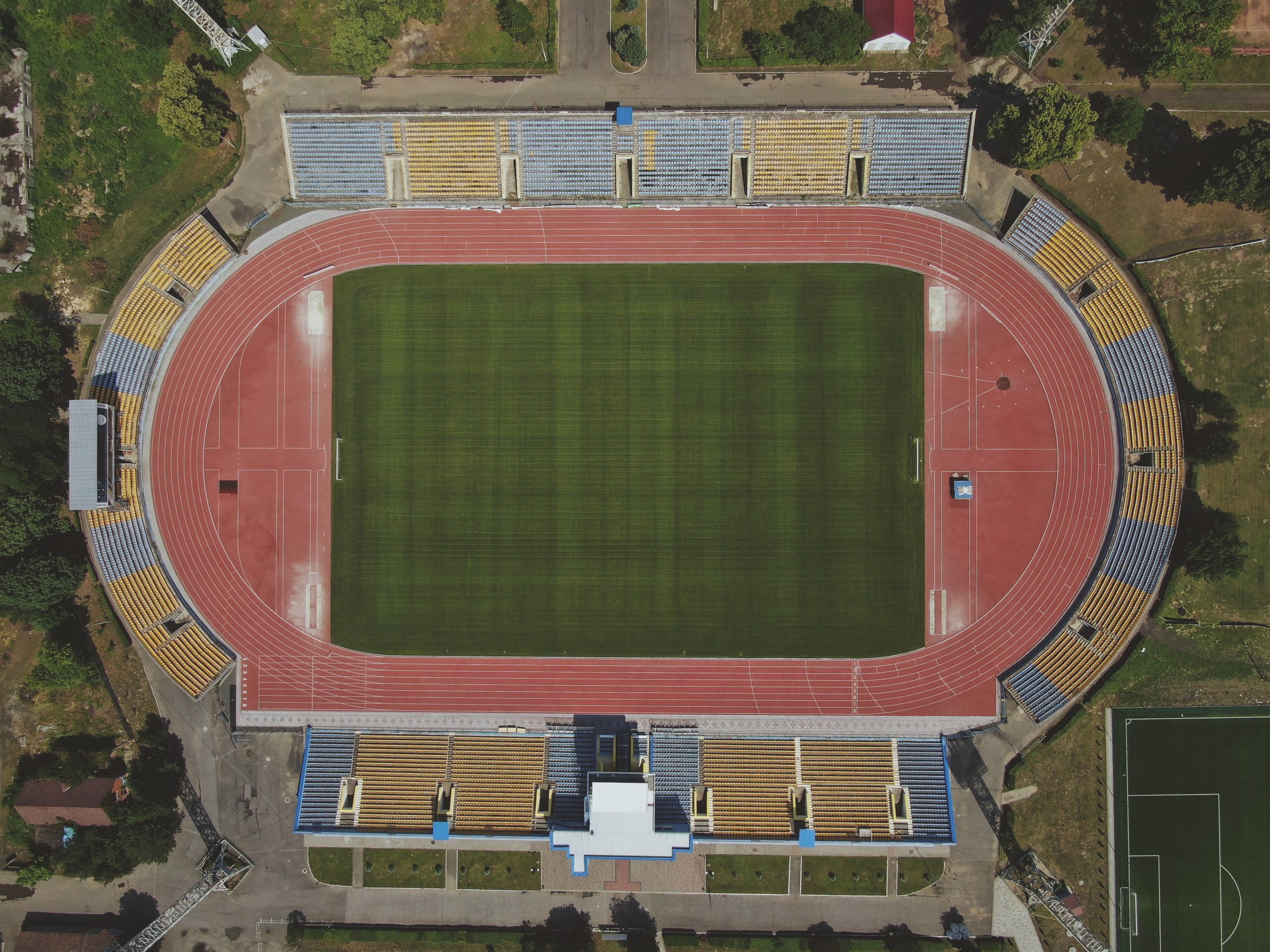
Read MoreWant to take your training onto the oval? Many runners get their start in running on the roads. They were not on the high school track team, and have never even set foot on a track.
But lots of training plans for road races include workouts that are most easily run on a track. I think every runner should at least know the basics about track running so they can confidently use the oval if and when they want to.
Here are the BASICS!
Read MoreRecently I was asked to put together a strength training program for new runners to be featured on self.com Self Magazine’s online publication.
This workout is intended for all the new runners lacing up during the pandemic. No gym required! The same goes for this workout - no gym and no equipment needed!
Read More